

Loopipak: eco-responsible, reusable packaging for businesses and e-commerce
Published on 17 June 2025
Publication
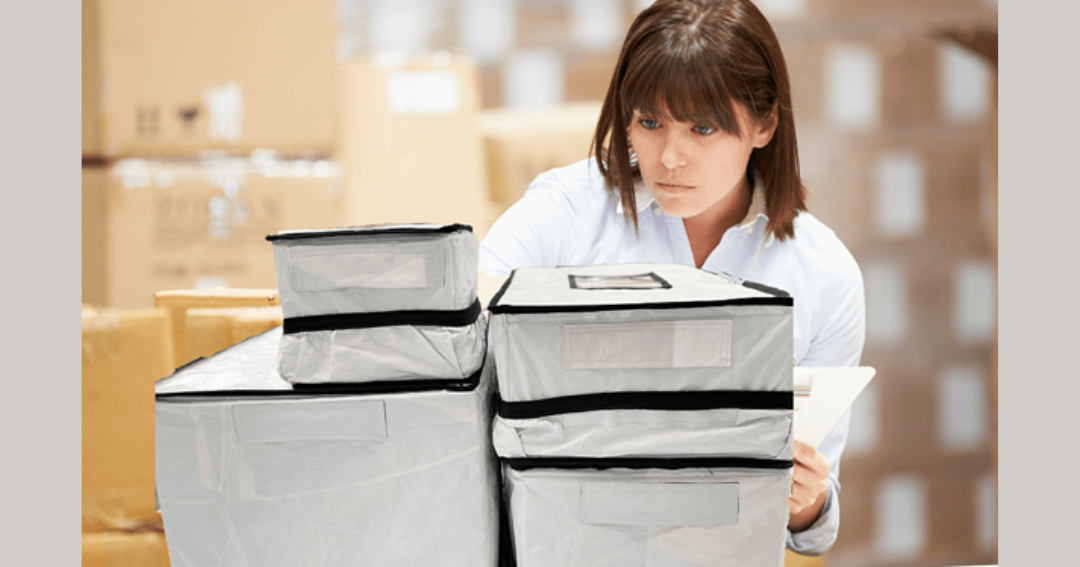
Made from ETA waste, Loopipak replaces disposable packaging. Easy to use, the retailer fills the Loopipak with his products and sends it to his customer. Once received, the customer folds the Loopipak and sends it back. The loop is closed.
This article is part of a series dedicated to exploring the journeys of the winners of the second edition of Go Circular. In this series, we highlight the inspiring initiatives of the awardees. This particular winner is Loopipak, a project born within the company Graine de Malice, and part of the "Starter" category. The circular strategy at the heart of this project is the functional economy. The support from Go Circular enabled the project’s deployment.
Loopipak’s upcycled reusable packaging: replacing disposable packaging
E-commerce largely relies on shipping goods in single-use packaging (cardboard boxes, plastic envelopes). Beyond online commerce, all companies use cardboard boxes and plastic stretch film to wrap their pallets. This leads to a loss of value and a significant environmental impact due to the consumption of natural resources required to produce these single-use packages. In response, the Loopipak project developed a range of reusable shipping packaging made from repurposed waste and designed in an eco-responsible and local manner.
Loopipak products are manufactured by adapted work enterprises (ETA) in Belgium using used advertising tarpaulins and polypropylene real estate signs, limiting the share of new materials to just 2%. Additionally, the packaging is eco-designed to be easily repairable. Each component of the packaging can be replaced individually. For minor repairs, patches are used to reinforce damaged areas. This way, repairing the packaging is always cheaper (and faster) than producing new ones, and the end-of-life of the materials is postponed as much as possible.
Maximizing impact through the functional economy
Reusable packaging has great potential to reduce environmental impact, but this depends on how many times each package is used. The more it is reused, the greater the impact improvement. Take e-commerce as an example: Loopipak boxes can be offered for sale or rental as a service to online shopping platforms. In this case, the sender packs their products in a Loopipak and ships them to the customer. The customer empties it, folds it, and sends it back to the ETA for maintenance and inspection. The sender is then resupplied by Loopipak. Each Loopipak sent to a final customer is subject to a deposit. This gives value to the packaging and raises awareness among the end customer. The customer receives the deposit back in their account on the e-commerce platform that sent the Loopipak box.
All stakeholders use the same digital tracking tool throughout the entire chain, from production to return to the merchant. Thanks to a unique barcode, the location of each Loopipak box is always known. This helps prevent packaging loss and ensures it doesn’t become waste.
By highlighting the impact of single-use packaging, this service initiative proves to be a strategic market positioning. It addresses the growing awareness among companies eager to reduce their environmental footprint, as well as that of their end customers. Moreover, the project meets new environmental regulatory requirements that companies are or will be subject to, such as reducing emissions related to their purchases and the packaging they place on the market.
In short, Loopipak’s service project perfectly embodies the principles of eco-design: extending the life of materials as much as possible by enabling their prolonged use while offering benefits to customers.
The added value of the circular strategy based on the functional economy is considerable:
Reducing consumers’ ecological footprint through reuse;
Deploying eco-designed, easily repairable packaging made from waste;
Preventing packaging loss through digital tracking, maximizing the number of uses per package;
Facilitating customer transition by handling packaging maintenance and repair and organizing the ecosystem.